
👁 Pupil: The Window to Your Eyes
Introduction
The pupil, often referred to as the "window of your eye," plays a crucial role in vision by regulating the amount of light that enters the eye. Understanding its function and health is essential for maintaining optimal vision. This comprehensive guide delves into the anatomy, function, and clinical significance of the pupil, providing insights into common concerns and conditions related to it.
1. What Is the Pupil in My Eye?
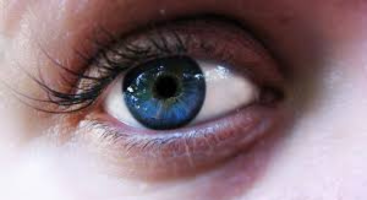
The pupil is the black circular opening in the centre of the iris (the coloured part of the eye). It controls the amount of light that enters the eye by adjusting its size in response to light intensity. In bright light, the pupil constricts to reduce light entry, while in dim light, it dilates to allow more light in. It is actually an opening in the iris, designed like an aperture of a camera to modulate the amount of light that enters to expose the film (retina) and create a perfect photo/image.
2. How Does It Appear in the Eye?
Visually, the pupil appears as a black dot in the centre of the eye. Its size can change in response to various factors, including light intensity, emotional state, and focus on near or distant objects.
3. What Is the Normal Size and Position of an Eye Pupil?
Under normal lighting conditions, the pupil's diameter ranges between 2 to 4 millimeters. In darker environments, it can dilate up to 8 millimeters. The pupil is centrally located within the iris, ensuring symmetrical light entry into the eye.
4. How Does the Eye Pupil Work?
The pupil's size is controlled by two muscles in the iris:
- • Sphincter Pupillae : Contracts to constrict the pupil in bright light.
- • Dilator Pupillae : Expands to dilate the pupil in low light.
This dynamic adjustment, known as the pupillary light reflex, ensures optimal light entry for clear vision.
5. How Do We Dilate the Pupil of Our Eyes?
Pupil dilation can occur naturally in low-light conditions or be induced medically using mydriatic eye drops during eye examinations. These drops temporarily relax the iris muscles, allowing the pupil to widen for a comprehensive view of the eye's internal structures.
6. Why Is Pupil Dilation Done?
Medical professionals dilate pupils to :
- • Examine the retina and optic nerve.
- • Diagnose eye conditions like glaucoma, macular degeneration, or diabetic retinopathy.
- • For complete refraction of the especially in children to diagnose correct power of eye glasses required.
- • For ease of doing retina lasers and YAG capsulotomy laser.
- • Facilitate certain surgical procedures like cataract and retina surgeries.
Dilation provides a better view of the internal structures of the eye, aiding in accurate diagnosis and treatment planning.
7. How Long Does the Effect of Pupil Dilation Last?
The effects of dilation typically last between 4 to 6 hours. However, individuals with lighter-coloured eyes or children may experience prolonged dilation, sometimes up to 24hours. During this period, it's common to experience light sensitivity and blurred vision. Sometimes, stronger medications are used for dilation, where the effect may last for 24-48 hours in some patients.
8. What Happens to My Vision When the Pupil Dilates?
When the pupil dilates, more light enters the eye, which can lead to:
- • Blurred Vision : Difficulty focusing, especially on close objects.
- • Light Sensitivity : Increased sensitivity to bright lights.
These effects are temporary and subside as the pupil returns to its normal size.
9. Why Are Kids' Glasses Given After Checking Power with Dilated Pupil?
In children, the eye's focusing muscles are strong and can mask refractive errors during an eye exam. By dilating the pupils, these muscles are temporarily relaxed, allowing for a more accurate measurement of refractive errors and ensuring the correct prescription for glasses.
10. My Pupil Does Not Dilate Completely; What Problems Can I Have During Eye Surgery?
Incomplete pupil dilation can pose challenges during eye surgeries, such as cataract removal. A small pupil can limit the surgeon's view and access, increasing the risk of complications like iris trauma, incomplete lens removal, or postoperative inflammation. Dr Veerwal is an expert eye surgeon who has handled a large number of complicated cases successfully. In case of non-dilating pupil, surgical skill is of paramount importance. We also use additional devices like Malyugin Ring or Iris Hooks to dilate the pupil during surgery.
11. My Pupil Is Larger in Size Than Normal; What Problems Can I Face?
An abnormally large pupil (mydriasis) can lead to:
- • Glare and Halos : Especially noticeable at night.
- • Light Sensitivity : Discomfort in bright environments.
- • Blurred Vision : Difficulty focusing on objects.
Persistent mydriasis may indicate underlying neurological or ocular conditions and should be evaluated by an eye specialist.
12. How Does Position and Size of My Pupil Affect My Choice of Intraocular Lens at Time of Cataract Surgery?
The size and position of the pupil can influence the selection of intraocular lenses (IOLs) during cataract surgery. For instance, multifocal IOLs require proper pupil centration and size to function optimally. Abnormal pupil characteristics may necessitate alternative lens choices to ensure the best visual outcomes.
13. What If I Had an Injury; Can My Pupil Get Affected?
Yes, eye injuries can impact the pupil's function and appearance. Trauma can lead to irregular pupil shapes, impaired light response, or even permanent dilation or constriction. Such changes can affect vision quality and may require medical or surgical intervention.
14. Why Should I Choose Dr. Vikas Veerwal for Pupil-Related Eye Issues in Ghaziabad, Noida, Greater Noida, or Delhi-NCR?
Dr. Vikas Veerwal is a renowned senior eye surgeon with extensive experience in diagnosing and treating various pupil-related conditions. Patients in Ghaziabad, Noida, Greater Noida, and Delhi-NCR trust Dr. Veerwal for his:
- • Expertise : Comprehensive knowledge in managing complex ocular conditions.
- • Advanced Technology : Utilization of state-of-the-art diagnostic and surgical equipment.
- • Experience : Trained from best institutes in the country and more than 13 years of experience in the field handling all types of complicated cases successfully.
- • Patient-Centric Approach : Ethical, honest and personalized care tailored to individual needs.
- • Convenient Locations : Easily accessible clinics across the Delhi-NCR region.
For any pupil-related concerns or comprehensive eye examinations, schedule a consultation with Dr.Veerwal to receive expert care.
❓ FAQs: Eye Pupil – Everything You Need to Know
1. What causes pupils to change size?
Pupils adjust size in response to light intensity, emotional states, and
focusing on near or distant objects.
2. Is it normal for pupils to be different sizes?
Slight differences can be normal, but significant disparities (anisocoria) may
indicate underlying conditions.
3. Can medications affect pupil size?
Yes, certain drugs, including eye drops and systemic medications, can cause
dilation or constriction.
4. How does aging affect pupil size?
With age, pupils may become smaller and less responsive to light changes. This
is called as miosis.
5. What is anisocoria?
Anisocoria is a condition where the pupils are unequal in size.
6. Can stress or emotions change pupil size?
Yes, stress, excitement, or fear can cause temporary pupil dilation.
7. How is pupil function tested?
Through a pupillary light reflex test.
For personalized eye care and expert guidance on any eye related issues, schedule an appointment with us today. Dr Veerwal is one of the best eye doctors in Delhi-NCR, Noida, Indirapuram, Ghaziabad, Greater Noida and Noida extension region. Trust your eyes to a specialist who combines clinical excellence with genuine care.Book your consultation with Dr Veerwal today!!!
