
CATARACT SURGERY- EVERYTHING YOU NEED TO KNOW – BEST SURGERY, BEST IOL, BEST DOCTOR
What is Cataract Surgery?
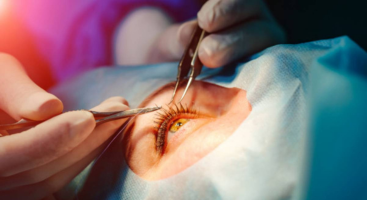
Cataract surgery is a simple, safe, and highly successful procedure where the cloudy natural lens of your eye is removed and replaced with a clear artificial lens (called an intraocular lens or IOL). It restores clear vision and improves quality of life.
When Should I Have Cataract Surgery?
You should consider cataract surgery when blurry vision starts affecting your daily activities like reading, driving, or watching TV. There's no need to wait for the cataract to "mature" — modern cataract surgery is recommended as soon as it interferes with your lifestyle. Earlier people used to wait for their cataract to mature because surgery was done differently with a large incision (cut) and had higher risks of complications. In today’s time, we prefer doing cataract surgery when your vision is not clear even with glasses.
How Safe is Cataract Surgery?
Cataract surgery is one of the safest and most commonly performed surgeries worldwide, with a success rate of over 99%. Our superspeciality eye hospital uses the latest technology to ensure maximum safety and excellent outcomes. Dr Veerwal is a highly specialized cataract surgeon having performed more than 10000 successful cataract surgeries. He is an expert in complicated cataracts, femto laser cataract surgery, multifocal and toric IOLs.
What Are the Types of Cataract Surgery?
The most commonly used two techniques are:
- • Phacoemulsification (Phaco Surgery)/Micro-incision cataract surgery (MICS): The most common and advanced method using ultrasound waves. Incision is usually 2.2-2.8 mm small, surgery is stitchless, painless, injection less, patchless.
- • Laser Cataract Surgery (Femto Cataract/FLACS/Robotic cataract surgery): Uses a laser for extra precision during surgery. During FLACS, 3-4 steps of the surgery are performed by femtosecond laser for the surgeon. Almost 50% of the steps remain same as in MICS surgery and performed by the surgeon. It offers advantage especially in complicated cases, cases with multifocal or toric IOLs. Both options offer fast recovery and excellent vision results. Rarely, in advanced cataracts or special scenarios we perform surgery manually- called as SICS (Small incision cataract surgery)
What is the Cost of Cataract Surgery in India?
Answer: The cost of cataract surgery in India varies depending on the hospital, technology, and type of IOL chosen:
- • Standard Cataract Surgery: ₹20,000 to ₹60,000 per eye.
- • Premium Laser Cataract Surgery: ₹65,000 to ₹1,20,000 per eye.
- • Premium IOL Implant (Multifocal / EDOF): Additional ₹40,000 to ₹90,000 We offer affordable cataract surgery packages with flexible options. Choosing the right IOL that is going to remain permanently in your eye is of paramount importance. Dr Vikas Veerwal has helped thousands of patients in making the right choice after a detailed discussion understanding the lifestyle needs, budget and expectations of his patients.
Which Lens is Best for Cataract Surgery?
No particular lens can be considered the best lens. The best lens depends on your vision goals, your expectations and condition of the eye. Options include:
- • Monofocal lenses (clear distance vision, glasses needed for near)
- • Multifocal lenses (clear distance and near vision)
- • Toric lenses (for astigmatism correction)
- • EDOF lenses (extended depth of focus, fewer halos)
Each category of lens has lenses with different features and availability from different companies. At our centre, we offer all the options to our patients but help them make the best choice that is likely to give them the best outcome according to their needs. Our specialist, Dr Vikas Veerwal is an expert in premium lenses and helps you choose the best premium lens for your lifestyle.
| Feature | TECNIS Synergy™ | AcrySof® IQ PanOptix® | AcrySof® IQ Vivity™ | TECNIS Eyhance™ |
|---|---|---|---|---|
| Type of IOL | Multifocal + EDOF hybrid | Trifocal | EDOF (Extended Depth of Focus) | Enhanced Monofocal |
| Vision Provided | Distance + Intermediate + Near (superior near) | Distance + Intermediate + Near | Distance + Intermediate (good range) | Distance + some Intermediate (better than standard monofocal) |
| Glasses Independence | Highest (very minimal glasses needed) | High (minimal glasses needed) | Moderate (may need reading glasses for fine print) | Low (glasses needed for near tasks) |
| Night Vision/Glare/Halos | Higher risk of glare and halos Moderate risk of glare and halos | Very low risk of glare and halos | Very low risk (almost none) | |
| Best For | Patients demanding complete spectacle independence (reading, mobile use, computer work) | Patients wanting balanced distance, intermediate, and near vision with fewer night issues | Patients preferring distance and intermediate clarity with minimal night problems | Patients wanting excellent distance vision and simple tasks without much night disturbance |
| Lifestyle Fit | Highly active, professional, heavy near work (reading, mobile, laptop) | Active lifestyle, balanced vision needs | Outdoor activities, driving, sports, less reading focus | Basic distance vision needs (like TV, walking, driving), not much reading |
| Cost Range (India) | ₹95,000–₹1,15,000 per eye | ₹95,000–₹1,15,000 per eye | ₹1,05,000–₹1,15,000 per eye | ₹45,000–₹55,000 per eye |
| Common Side Effects | Glare, halos initially (often improve over time) | Some glare/halo at night (less bothersome) | Very minimal visual disturbances | Very safe, no major disturbances |
| Special Notes | Premium choice — costly but amazing near and intermediate vision | World's first FDA-approved trifocal lens — very popular globally | New generation EDOF lens — for those worried about night driving issues | New generation monofocal — excellent for budget-conscious patients |
So Which IOL Should You Choose?
- • Choose Synergy if you want the highest freedom from glasses and don’t mind a little adaptation to halos or glare.
- • Choose PanOptix if you want balanced near, intermediate, and distance vision with moderate chances of glare/halos.
- • Choose Vivity if night driving, sharp distance vision, and fewer side effects are your top priority, even if you occasionally need reading glasses.
- • Choose Eyhance if you are happy with excellent distance vision and don't mind wearing glasses for reading — it’s cost-effective too.
"Still confused about which IOL suits you? Book your FREE Cataract Evaluation with Dr. Vikas Veerwal today!"
✨ Patient Tip:
- • If you do a lot of night driving➔Vivity or Eyhance is safer.
- • If you are a reader, mobile/laptop user, or love books➔Synergy or PanOptix will make you happier.
- • Cost also plays a role — Eyhance is significantly cheaper.
🚨 Important:
Each patient's eye is unique!
Factors like corneal health, astigmatism, retinal status, and lifestyle are critical in selecting the best IOL.
👉 A personalized consultation with an experienced cataract surgeon is mandatory before finalizing the choice.
"Still confused about which IOL suits you? Book your FREE Cataract Evaluation with Dr. Vikas Veerwal today!"
How Long Does Cataract Surgery Take?
The procedure usually takes 10 to 15 minutes per eye. However, you should plan to stay at the hospital for about 2–3 hours on the day of surgery for pre-operative preparation and post-operative recovery.
Which is best – Indian lens or imported IOL after cataract surgery?
Previously, imported lenses (Johnson & Johnson, Alcon, Zeiss, Hoya, etc.) were preferred over Indian lenses but now, this is not true anymore. While each lens has its advantages and disadvantages, Indian lenses (Care group, Adtec, Biotech, Appasamy, etc.) have improved significantly in technology and visual results along with being cost effective. Most surgeons find equally good results with Indian and imported IOLs. Patient should have a detailed discussion with their doctor regarding which lens will provide the best result to them.
Is Cataract Surgery Painful and will I be awake during the surgery?
No, cataract surgery is completely painless. It is performed under local anesthesia (eye drops or injection), and patients usually experience no discomfort during the procedure. Both Phacoemulsification and Femto laser cataract surgery are painless. You will be fully awake and aware during the surgery. You can even talk to the surgeon or listen to some soothing music during the surgery.
How Long Does it Take to Recover from Cataract Surgery?
- • Most patients notice improved vision within 24 hours.
- • Full healing typically takes 2 to 3 weeks.
- • You can return to normal activities like reading, watching TV, etcwithin a day, but avoid heavy lifting or dusty environments for a few days.
We provide comprehensive post-operative care to speed up your healing. Along with it, our advanced technology helps in keeping the recovery period to the minimum. Many of our patients start with their office work from the very next day itself (taking minor precautions).
Would I still need glasses after getting cataract surgery?
Your requirement for glasses will depend on the type of lens that you are choosing. Patients who choose Monofocal lens, require glasses for near activities like reading, mobile phone use, etc. Patients who choose Multifocal or EDOF lenses do not usually need glasses for most of their activities. Toric lenses are needed get rid of glasses, in case you are noted to have cylindrical power. Dr Veerwal customizes his treatment according to patient needs to get the best possible outcome.
Can Cataract Come Back After Surgery?
Cataract itself does not come back after surgery since your lens has been removed already. However, sometimes a secondary cataract (posterior capsular opacification) can form months or years later, which can be easily treated with a quick, painless laser procedure (YAG laser capsulotomy) in the OPD itself.
What Are the Risks and Side Effects of Cataract Surgery?
While rare, some risks include:
- • Infection.
- • Inflammation.
- • Corneal edema (swelling in cornea).
- • Glare or halos around lights (more common with multifocal lenses).
- • Macular edema (swelling in retina).
Choosing an experienced cataract surgeon greatly minimizes risks. At our hospital, patient safety is our top priority. We have a nearly 100% success rate in cataract surgery. Dr Veerwal gives personalised attention to every patient to provide the best possible outcomes.
What Precautions Should I Take After Cataract Surgery?
- • Use prescribed eye drops regularly.
- • Wear protective glasses outdoors.
- • Avoid rubbing your eyes.
- • Do not lift heavy objects for at least a week.
- • Follow all post-operative instructions carefully for best results.
- • Avoid any water getting into the eye for 1-2 weeks (depending on type of procedure)
What Happens If Cataract is Left Untreated?
If left untreated, cataracts will continue to cloud your vision and can lead to complete blindness in the affected eye. Cataract surgery is the only permanent solution to restore vision. Untreated cataracts can result in glaucoma (high eye pressure) and uveitis (eye inflammation) as well. Cataract surgery becomes challenging and complicated when the cataract becomes hard or mature. Also, while your vision keeps on reducing as the cataract increases, this also leads to a higher risk of fall and fracture happening, especially since most patients are older in age.
Is There an Ideal Age for Cataract Surgery?
There’s no perfect age; cataracts are treated based on symptoms rather than age. Most people require cataract surgery between age 50 to 80. Early detection and treatment ensure better outcomes. When cataract starts affecting your daily activities, there is no benefit in waiting anymore.
Can I Get Both Eyes Operated on the Same Day?
Generally, cataract surgery is done one eye at a time, with a gap of 1 to 2 weeks. In select cases, bilateral same-day cataract surgery can be considered after careful evaluation.
What is the Best Way to Do Cataract Surgery?
The most commonly used and safest method is phacoemulsification, a minimally invasive procedure using ultrasound technology. In advanced cases, laser-assisted cataract surgery offers more precision and faster recovery.
If you’re looking for: best cataract surgery technique, phacovs laser cataract surgery, advanced cataract removal methods
Is Cataract Surgery Covered in Insurance?
Yes, most health insurance plans in India, including government schemes like Ayushman Bharat and private health insurance, cover the cost of cataract surgery partially or fully.
If you’re looking for: cataract surgery insurance, is cataract surgery free, mediclaim for cataract
Is Laser Cataract Surgery Better?
Laser cataract surgery is more precise, bladeless, and customized. It’s especially helpful for patients with astigmatism or those choosing premium lenses. However, it may be slightly more expensive than traditional surgery.
If you’re looking for: laser cataract surgery benefits, bladeless cataract surgery, femto laser cataract
Can Cataract Surgery Be Redone?
While the natural lens cannot be replaced again, enhancements can be done if needed, such as YAG laser capsulotomy to correct posterior capsule opacification, which sometimes occurs months or years after the surgery.
If you’re looking for: redo cataract surgery, second cataract surgery, YAG laser after cataract
Does Cataract Surgery Get Rid of Floaters?
Cataract surgery does not remove floaters, as they are caused by changes in the vitreous gel inside the eye. However, clearer vision post-surgery may make floaters more noticeable initially.
If you’re looking for: floaters after cataract surgery, will cataract surgery remove floaters, cataract and eye floaters
Why Choose Our Superspeciality Eye Hospital for Cataract Surgery?
- • Expert Cataract Surgeons: Decades of experience and thousands of successful surgeries.
- • Latest Technology: Laser cataract surgery, premium lens implantation.
- • Comprehensive Care: From diagnosis to surgery to post-operative follow-up.
- • Affordable Packages: Transparent and patient-friendly pricing.
- • Patient-Centered Approach: Every decision made with your best vision in mind.
Trust us for the best cataract surgery experience in India — your vision deserves the best!
Conclusion
Cataract surgery is a life-changing procedure that restores clear, sharp vision. With today’s advanced technologies and premium IOL options, you can achieve freedom from glasses and enjoy life to the fullest. Book your consultation today and take the first step towards brighter vision!
"Get clear answers about cataract surgery: costs, recovery, types, risks, premium lenses & more. We are the most trusted superspeciality eye hospital in Delhi-NCR, Ghaziabad, Noida and Greater Noida region. Book your appointment today with Dr Vikas Veerwal!"
