
All You Need to Know About Eyeglasses: A Comprehensive Guide by Dr. Vikas Veerwal| Best Eye Doctor in India
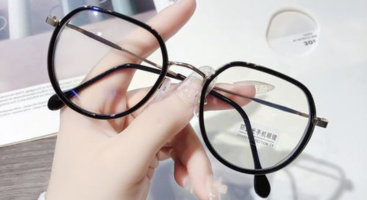
Eyeglasses are more than just vision correction tools—they're essential for eye health, comfort, and even personal style. With advancements in lens technology and frame materials, choosing the right pair can be overwhelming. Dr. Vikas Veerwal, a senior eye surgeon serving Ghaziabad, Noida, and Delhi-NCR, provides insights into selecting the perfect eyeglasses tailored to your needs.
1. Types of Eyeglasses
Eyeglasses cater to various vision requirements:
- • Single Vision Lenses: Correct either distance or near vision.
- • Bifocal Lenses: Feature two distinct sections for distance and near vision, separated by a visible line.
- • Progressive Lenses: Offer a seamless gradient for distance, intermediate, and near vision without visible lines.
- • Computer Glasses: Designed for intermediate distances, reducing digital eye strain.
- • Reading Glasses: Assist with close-up tasks like reading.
- • Photochromic Lenses: Automatically adjust tint based on light exposure.
2. Materials Used in Eyeglasses
Modern eyeglasses utilize various materials:
- • Plastic (Acetate): Lightweight, affordable, and available in diverse colors.
- • Metal: Durable and sleek; common metals include stainless steel and aluminum.
- • Titanium: Extremely resilient, corrosion-resistant, hypoallergenic, and 40% lighter than other metals.
- • Beryllium: Six times stronger than steel, lightweight, and resists corrosion, making it suitable for those with high skin acidity.
- • Best Material: Titanium stands out for its durability, lightness, and hypoallergenic properties.
3. Bifocal vs. Progressive Eyeglasses
- • Bifocals: Have two distinct lens powers separated by a visible line, correcting distance and near vision. Faster adaptation, easy to use. Not suitable for computer users. Persons using these glasses need to be careful while walking down the stairs.
- • Progressives: Provide a smooth transition between multiple focal points (distance, intermediate, near) without visible lines
Which is Better?
Progressive lenses offer a more natural visual experience without the abrupt change in vision that bifocals can cause. However, they may require an adjustment period of 1-2 weeks.
4. Separate Glasses vs. Bifocals vs. Progressives
- • Separate Glasses: Ideal for those who prefer distinct pairs for reading and distance.
- • Bifocals: Convenient for switching between two vision zones but have a visible line. More suitable for people who do a lot of reading work.
- • Progressives: Offer the convenience of multiple prescriptions in one lens without visible lines, providing a more aesthetic and functional solution. Most useful people who drive or use laptops.
5. Why Do I Need Reading Glasses Now?
As we age, the eye's lens loses flexibility, leading to presbyopia—a condition where focusing on close objects becomes challenging. This typically begins around age 38-40. As you grow older, the near vision power keeps on increasing every 2-3 years.
6. Blue Light Filter Glasses: Are They Useful?
Blue light glasses are designed to reduce exposure to blue light emitted by digital screens. Some users report reduced eye strain and improved sleep patterns. However, studies have shown mixed results regarding their effectiveness. If you are a heavy screen user and are having regular strain, headaches or difficulty sleeping- blue filter glasses may be a solution for you.
7. Anti-Glare Coating: Is It Beneficial?
Anti-reflective coatings reduce glare from screens and headlights, enhance visual clarity, and make lenses appear nearly invisible. They also protect lenses from scratches and smudges.
8. Photochromic Glasses: How Are They Useful?
Photochromic lenses darken in response to UV light, eliminating the need for separate sunglasses. They provide 100% protection from UVA and UVB rays and reduce glare.
9. Blue Light and Eye Health
Excessive blue light exposure, especially before bedtime, can disrupt sleep patterns by affecting the melatonin (sleep cycle hormone) hormone of your body. While blue light glasses may help some individuals, their overall effectiveness varies.
10. Difficulty Adjusting to Progressive Glasses
Some users experience peripheral distortion or a "swim" effect when first wearing progressives. Proper fitting and a brief adaptation period usually resolve these issues. Proper centration, right frame size and right width of the viewing zone makes adaptation to progressive lenses easier. Visit us and our expert team for any problems you are facing with use ofprogressive glasses.
11. Increasing Near Vision Power Despite Wearing Glasses
Presbyopia progresses with age, necessitating periodic updates to your prescription. Regular eye exams ensure optimal vision correction.
12. Why Choose Dr. Vikas Veerwal for Your Eye Care Needs?
Serving Delhi- NCR, IndirapuramGhaziabad, Noida, and Greater Noida, Dr. Veerwal offers:
- • Trained from the best institutes in the country (MAMC, Delhi and LV Prasad Eye Institute, Hyderabad).
- • Comprehensive eye examinations using advanced technology.
- • Personalized lens and frame recommendations.
- • Expertise in managing complex vision issues.
- • A patient-centric approach ensuring comfort and satisfaction.
- • Years of experience with a list of more than 10000 satisfied and happy patients.
Why Choose Our Clinic for Eyeglasses?
- • Wide selection of frames and lenses to suit all budgets.
- • State-of-the-art diagnostic equipment.
- • Experienced optometrists and staff.
- • Ethical, honest and transparent care.
- • Convenient location with ample parking.
FAQs: Eye Glasses – Your Common Queries Answered
1. What are the best eyeglasses for computer use?
o Computer glasses with anti-glare and blue light filter coatings can reduce digital eye strain.
2. How often should I update my eyeglass prescription?
o It's recommended to have an eye exam every 1-2 years or if you notice vision changes.
3. Can I wear photochromic lenses indoors?
o Yes, they remain clear indoors and darken only in response to UV light outdoors.
4. Are there glasses specifically for night driving?
o Yes, lenses with anti-reflective coatings can reduce glare from headlights.
5. Do blue light glasses help with sleep?
o Some users report improved sleep, but scientific evidence is mixed.
6. What's the difference between polycarbonate and high-index lenses?
o Polycarbonate lenses are impact-resistant and lighter, while high-index lenses are thinner and suitable for strong prescriptions.
7. Can children wear progressive lenses?
o Yes, only in special cases, if prescribed by an eye care professional.
8. How do I clean my eyeglasses properly?
o Use a microfiber cloth and lens cleaning solution; avoid using tissues or clothing, this results in scratches on the lens.
9. Are rimless frames durable?
o They are lightweight but may be less durable than full-rim frames.
10. What is the average lifespan of eyeglasses?
o With proper care, eyeglasses can last 1-3 years, but prescriptions may need updating sooner.
11. Can I use the same glasses for reading and computer work?
o Progressive lenses can accommodate both tasks easily providing continuous range of vision.
12. Do I need a prescription for blue light glasses?
o Non-prescription blue light glasses are available, but consult an eye care professional for personalized advice. If you have undiagnosed refractive error (glass power), you may continue to have eye strain even with blue light glasses.
13. Are there stylish options for high prescriptions?
o Yes, high-index lenses allow for thinner lenses, enabling more frame choices.
14. What are transition lenses?
o Another term for photochromic lenses that adjust tint based on light exposure.
15. Is it normal for vision to change with age?
o Yes, regular eye exams help monitor and correct age-related vision changes.
