
👁 Poor Vision After Cataract Surgery – What Can Be Done?
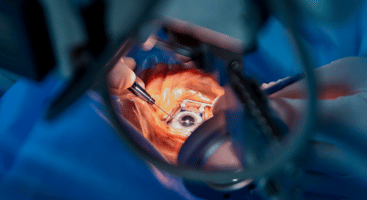
Experiencing blurred or poor vision after cataract surgery? You're not alone. Here’s what it means, why it happens, and how you can fix it.
🏥 Introduction: When Cataract Surgery Doesn’t Meet Expectations
Cataract surgery is one of the safest and most successful surgeries globally, yet some patients don’t experience perfect vision even after the procedure. In such cases, understanding the root cause and available treatment options becomes essential.
If you’ve searched :
- • “Why is my vision still blurry after cataract surgery?”
- • “Can vision worsen after cataract surgery?”
- • “How long does it take to get clear vision after cataract surgery?”
…this blog will answer all your questions.
🔎 Common Reasons for Poor Vision After Cataract Surgery
Even with modern techniques and advanced IOLs (intraocular lenses), some patients may not achieve crystal-clear vision post-op. Here’s why:1. Posterior Capsular Opacification (PCO)
- • Also known as a "secondary cataract".
- • Occurs when the back of the lens capsule becomes cloudy after surgery.
- • Most common cause of blurred vision months/years after surgery.
- • ✅ Treated with a painless 5-minute YAG laser capsulotomy.
2. Incorrect IOL Power or Residual Refractive Error
3. Dry Eyes
- • Common after surgery, especially in older adults.
- • Can lead to fluctuating or blurry vision.
- • ✅Treated with lubricating eye drops, omega-3 supplements, or punctal plugs.
4. Macular Issues
- • Pre-existing or undiagnosed macular degeneration, edema, or diabetic maculopathy can limit vision.
- • ✅Requires retinal imaging and specialist management.
5. Retinal Detachment or Swelling (Cystoid Macular Edema)
- • Rare, but serious complications.
- • Presents as distorted or reduced central vision.
- • ✅ Managed with anti-inflammatory injections or surgery.
6. Corneal Problems or Astigmatism
.- • If corneal irregularities weren’t corrected, vision may stay blurry.
- • ✅May need toric lenses, glasses, or corneal topography-guided treatments.
🕒 When Should You Worry About Blurred Vision?
- 🔴 If your vision does not improve within 4–6 weeks post-surgery.
- 🔴 If your vision worsens suddenly.
- 🔴 If you see floaters, flashes, or experience eye pain.
- 💡 Early evaluation by an expert can often prevent permanent damage.
🙋 Frequently Asked Questions (FAQs)
❓ Q1: How long does it take for vision to stabilize after cataract surgery?
✅Typically 2–6 weeks, but depends on healing, dry eye status, and any pre-existing retinal conditions.
❓ Q2: Is it normal to have blurry vision a week after cataract surgery?
✅ Mild blurriness is common initially, but if it persists beyond 2 weeks, consult your surgeon.
❓ Q3: What is YAG laser, and when is it needed?
✅It’s a simple laser procedure used to treat posterior capsular opacification — the most common cause of blurred vision post-cataract.
❓ Q4: Can I have LASIK after cataract surgery?
✅ Yes, LASIK or PRK may be done to correct residual refractive error in selected cases.
❓ Q5: Can poor vision after cataract surgery be corrected?
✅In most cases — yes. The key is proper diagnosis by a specialist.
🏥 Why Choose Dr Vikas Veerwal If You Have Cataract Surgery Complications?
At our eye hospital, we don’t just perform cataract surgeries — we deliver visual excellence through precision, personalized care, and expertise.
👨⚕️ Expert Team of Cataract & Retina Surgeons
- • Our team includes some of the best cataract surgeons in India with vast experience in complex and repeat surgeries.
- • Specialized retina evaluation ensures nothing is missed post-surgery.
🔬 Advanced Diagnostics for Accurate Cause Detection
- • Optical Coherence Tomography (OCT)
- • Corneal topography
- • IOL Master biometry
- • YAG laser for PCO correction
💡 Customized Solutions for Every Patient
- • Multifocal/toric IOL upgrades.
- • LASIK enhancements.
- • Medical or surgical retina interventions.
- • Dry eye management.
📊 High Success Rate in Complex Cataract Cases
Whether you're dealing with poor outcomes from previous surgeries, PCO, or retina-related issues, we offer comprehensive second opinions and effective solutions.
📢 Conclusion: Don’t Settle for Blurry Vision
Poor vision after cataract surgery does not mean permanent damage. With accurate diagnosis and targeted treatment, you can achieve the clarity you expected.
Your eyes deserve expert care — the kind that restores not just vision, but quality of life.
Dr Vikas Veerwal has trained fromMaulana Azad Medical College (MAMC, Delhi- Ranked amongst top 5 colleges in India) and LV Prasad Eye Institute (Ranked Number 7 eye institute in the world). He holds the degrees of MBBS, MS, DNB, FLVPEI, FICO (UK), FAICO (Refractive Surgery)- making him a superspecialist in this field.With experience of more than10000 successful cataract surgeries with near 0% complication rate, Dr Veerwal is considered one of the best cataract surgery specialistin Delhi-NCR, Noida, Greater Noida, Ghaziabad and Indirapuram area. Book an appointment today for an honest, transparent, personalised advice from the best in the country.
📅 Book Your Cataract Follow-Up or Second Opinion Today
👉 Call us at:9811036639
📍 Visit us at:Shreya Eye Centre, 1st Floor, Jaipuria Mall, Indirapuram, Ghaziabad
Book Online: drvikasveerwal.com
Still have doubts?
Chat with our experts or schedule a detailed eye evaluation to get to the root of your blurred vision — because Dr Veerwal is alwaysDedicated to You and Your Eyes.
