
Colour Blindness and How It Affects a Patient: A Comprehensive Guide
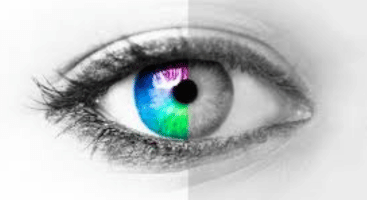
Colour blindness is a common vision condition that impacts millions of people worldwide, yet many remain unaware of its effects and implications. Understanding colour blindness is essential for early diagnosis, appropriate management, and improving quality of life for those affected.
In this blog, we will explore what colour blindness is, how it affects patients, common symptoms, diagnosis methods, and why choosing the right eye hospital and specialist is critical for accurate testing and care.
What is Colour Blindness?
Colour blindness, also known as colour vision deficiency (CVD), is the inability or decreased ability to see colours or distinguish between certain colours. It primarily affects the perception of reds, greens, blues, or a combination of these. Colour blindness is usually inherited but can also result from eye diseases, injuries, or certain medications.
How Does Colour Blindness Affect a Patient?
1. Difficulty in Differentiating Colours
The most common effect is trouble distinguishing between reds and greens (red-green colour blindness) or blues and yellows (blue-yellow colour blindness). This can impact daily activities like choosing clothes, reading colour-coded information, or cooking.
2. Challenges in Education and Work
Children with colour blindness may struggle in school where colour-coded learning materials are used. Adults might find difficulties in professions requiring colour discrimination, such as electricians, pilots, or graphic designers.
3. Safety Concerns
Colour blindness can pose safety risks in situations that rely on colour signals such as traffic lights, warning signs, and maps.
4. Emotional and Social Impact
Living with undiagnosed colour blindness can lead to frustration, lowered self-confidence, and social challenges.
Common Symptoms of Colour Blindness
- • Confusing reds, greens, blues, or yellows.
- • Difficulty seeing colours in low light.
- • Trouble identifying traffic signals.
- • Challenges distinguishing ripe fruits or vegetables.
- • Relying on brightness or shape instead of colour cues.
How is Colour Blindness Diagnosed?
Accurate diagnosis is vital for managing colour blindness effectively. Your eye specialist will perform a detailed eye exam, including:
- • Ishihara Colour Test: Most common test using coloured dot plates.
- • Farnsworth-Munsell 100 Hue Test: Determines the severity and type of colour deficiency.
- • Anomaloscope Test: A precise test for colour matching and diagnosis.
- • Digital Colour Vision Tests: Modern computer-based tests for enhanced accuracy.
Frequently Asked Questions (FAQs)
Q1. Is colour blindness curable?
A: Currently, there is no cure for inherited colour blindness, but special lenses and aids can help improve colour perception.
Q2. Can colour blindness develop later in life?
A: Yes, acquired colour blindness can result from eye diseases like glaucoma or diabetic retinopathy, or from medications and injuries.
Q3. Are there special glasses for colour blindness?
A: Yes, specially designed glasses like Xchrome lenses can help some patients distinguish colours better.
Q4. How common is colour blindness?
A: Approximately 8% of men and 0.5% of women worldwide have some form of colour blindness.
Q5. Can children be tested for colour blindness?
A: Yes, early testing is recommended to support educational planning and adaptation.
Why Choose Dr Vikas Veerwal for Colour Blindness Testing?
- • Expertise: Our hospital has the best eye specialists with extensive experience in diagnosing and managing colour vision deficiencies.
- • Advanced Technology: We use the latest and most accurate colour vision testing equipment to provide precise diagnosis.
- • Personalized Care: Tailored treatment plans and counselling to help patients cope with colour blindness challenges.
- • Comprehensive Services: From initial testing to follow-up and assistive solutions like specialised lenses.
- • Trusted by Thousands: A top-rated eye hospital known for quality care and patient satisfaction across the country.
Conclusion
Colour blindness can significantly affect a person’s life, but early diagnosis and proper management can help patients adapt and thrive. If you or your loved ones experience symptoms of colour vision deficiency, it is crucial to consult an expert without delay.
Dr Vikas Veerwal has trained fromMaulana Azad Medical College (MAMC, Delhi- Ranked amongst top 5 colleges in India) and LV Prasad Eye Institute (Ranked Number 7 eye institute in the world). He holds the degrees of MBBS, MS, DNB, FLVPEI, FICO (UK), FAICO (Refractive Surgery)- making him a superspecialist in this field.With experience of treating more than1 lakh patients, Dr Veerwal is considered one of the best eye doctors in Delhi-NCR, Noida, Greater Noida, Ghaziabad and Indirapuram area. Book an appointment today for an honest, transparent, personalised advice from the best in the country.
We offer world-class colour blindness testing and personalized care by the best eye specialists in the country. Book your appointment today to safeguard your vision and quality of life.
Contact Us:
👉 Call us at:9811036639.
📍 Visit us at:Shreya Eye Centre, 1st Floor, Jaipuria Mall, Indirapuram, Ghaziabad.
🌐 Book Online: drvikasveerwal.com.
