
Cataract: Everything You Need to Know In Short | Best Cataract Surgeon in India
If you’re looking for: What is cataract, symptoms of cataract, causes of cataract, cataract treatment, cataract surgery, is cataract painful, cataract prevention, cataract surgery recovery, types of cataract, cataract complications, cataract diagnosis- read to find the answer to all your queries.
What is a Cataract?
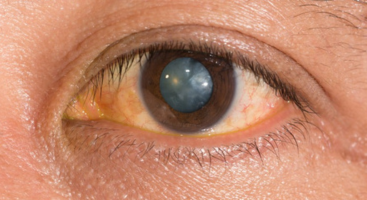
A cataract is when the clear lens inside your eye becomes cloudy, making it harder to see clearly.
It’s like looking through a foggy window — objects may look blurry, colors may seem faded, and lights may seem too bright.
What Are the Symptoms of Cataract?
Common cataract symptoms include:
What Causes Cataracts?
The most common cause of cataracts is aging. Other causes include:
- • Eye injuries.
- • Diabetes.
- • Long-term use of steroid medications.
- • Excessive exposure to sunlight (UV radiation).
- • Smoking and alcohol use.
- • Family history of cataracts.
At What Age Do Cataracts Usually Develop?
Cataracts commonly start to develop after the age of 40, but noticeable vision problems often appear after age 60.
However, young adults or even children can develop cataracts due to injuries, genetic factors, or medical conditions.
How is a Cataract Diagnosed?
A cataract is diagnosed through a comprehensive eye examination, which includes:
- • Visual acuity test (reading letters on a chart)
- • Slit-lamp examination (checking structures at the front of the eye)
- • Retinal exam (examining the back of the eye) Our specialists use the latest technology for early and accurate diagnosis.
Can Cataracts Be Prevented?
While cataracts cannot always be prevented, you can delay their development by:
- • Wearing UV-protective sunglasses
- • Managing health conditions like diabetes
- • Avoiding smoking and excessive alcohol
- • Eating a healthy diet rich in antioxidants (fruits and vegetables)
- • Having regular eye checkups
How Are Cataracts Treated?
The only effective treatment for cataracts is surgery.
During cataract surgery, the cloudy lens is removed and replaced with a clear artificial lens (IOL - Intraocular Lens).
There are no medications or eye drops that can cure cataracts once they develop.
Is Cataract Surgery Safe?
Yes, cataract surgery is one of the safest and most successful surgeries worldwide.
It has a success rate of over 99% and is usually performed as a quick, outpatient procedure with minimal discomfort.
What Are the Types of Cataract Surgery?
There are two main types:
- • Phacoemulsification (Phaco Surgery): Traditional and most common method.
- • Laser-Assisted Cataract Surgery (Femto Cataract Surgery): Uses a laser for added precision and safety. Both methods are safe, and the choice depends on your specific eye condition.
What Are the Risks or Complications of Cataract Surgery?
Although rare, possible risks include:
- • Infection
- • Inflammation
- • Swelling of the retina
- • Glare or halos around lights
- • Secondary cataract (posterior capsule opacification), treatable with a quick laser procedure.
Choosing an experienced eye surgeon minimizes these risks greatly.
How Long is Recovery After Cataract Surgery?
- • Most people notice improved vision within 24–48 hours.
- • Full recovery takes around 4 to 6 weeks.
- • Normal daily activities like reading, watching TV, and walking can be resumed within a day or two with some precautions.
Will I Need Glasses After Cataract Surgery?
It depends on the type of lens implanted:
- • Monofocal lenses: You might need glasses for near vision.
- • Multifocal or EDOF lenses: Reduce or eliminate the need for glasses for most activities. Our team will help you choose the best premium IOL based on your lifestyle needs.
Can Cataracts Come Back After Surgery?
The cataract itself cannot return after surgery. However, a secondary cataract can sometimes form months or years later. It is easily treated with a quick and painless laser procedure (YAG laser capsulotomy).
Why Choose Our Superspeciality Eye Hospital for Cataract Treatment?
- • Experienced Eye Surgeons: Nationally recognized experts in cataract surgery.
- • Latest Technology: Including laser cataract surgery and premium IOLs.
- • Personalized Care: Tailored treatment plans for each patient.
- • Affordable Pricing: Transparent and competitive cataract surgery costs.
- • Trusted by Thousands: High success rates and happy patient stories.
We are committed to restoring your vision with safety, care, and compassion.
Conclusion
Cataracts are a natural part of aging, but they don't have to limit your life. With modern cataract surgery, you can regain clear, vibrant vision quickly and safely. Schedule your cataract consultation today and take the first step towards better eyesight!
"Learn everything about cataracts: symptoms, causes, treatment, and surgery options. Trusted superspeciality eye hospital. Book your cataract consultation today!"
We are committed to restoring your vision with safety, care, and compassion. Dr Veerwal is one of the best cataract surgeons in Delhi-NCR, Noida, Indirapuram, Ghaziabad, Greater Noida and Noida extension region. Trust your eyes to a specialist who combines clinical excellence with genuine care. Book your consultation with Dr Veerwal today!!!
Q: What is the first sign of cataract?
A: Blurry or cloudy vision, especially at night, is often the first sign of cataract.
Q: Is cataract surgery painful?
A: No, cataract surgery is painless and usually done under local anesthesia.
Q: How long does cataract surgery take?
A: Cataract surgery typically takes about 10–15 minutes per eye.
Q: What is the success rate of cataract surgery?
A: Cataract surgery has a success rate of over 98%, restoring clear vision in most cases.
Q: Can cataracts be removed without surgery?
A: No, cataracts can only be permanently treated through surgery.
