
Red Eye Treatments: Causes of Red Eye Diseases and How to Treat Chronic Red Eyes
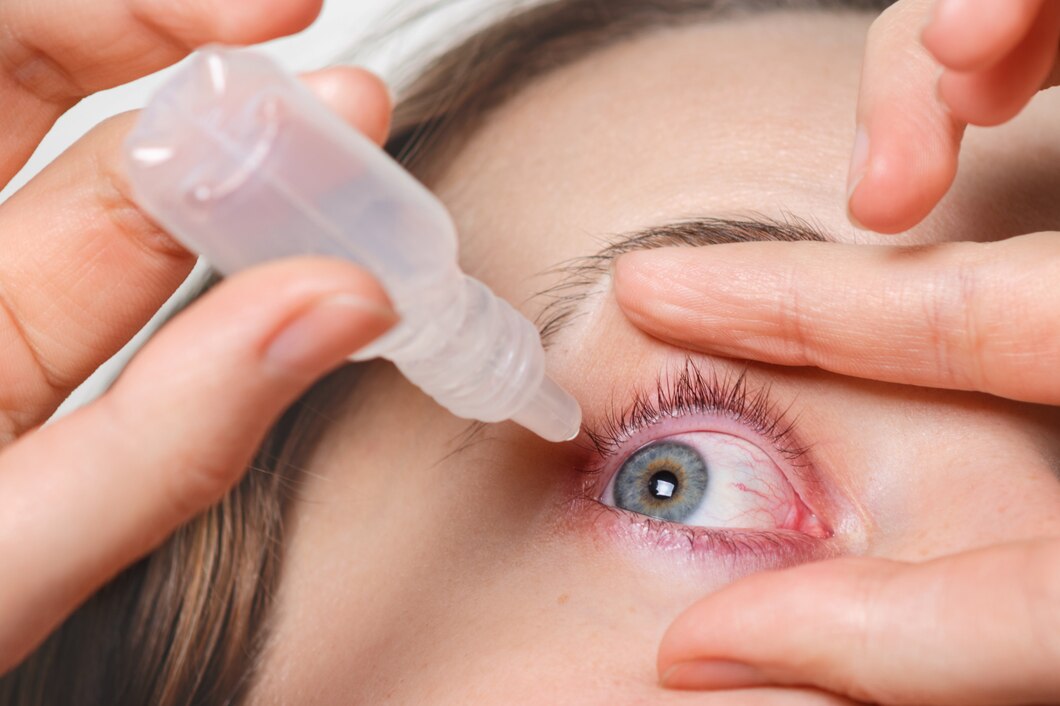
Table of Contents
- 1.What Causes Red Eyes
- 2.Treatment for Dry Eye-Related Redness
- 3. Treatment for Allergic Red Eyes
- 4. Treatment for Conjunctivitis
- 5. What Is Red Eye Disease?
- 6. Chronic Red Eye Treatment
- 7. When Is Red Eye an Emergency?
- 8. How Can You Prevent Red Eyes?
- 9. Final Takeaway
- 10.Frequently Asked Questions (FAQs)
Red eyes– Red eyes are a common eye complaint that can occur due to something as harmless as tiredness or dryness. Still, persistent redness may indicate an underlying eye condition that requires medical attention. Knowing the reason is important for selecting a suitable red eye treatment.
Intermittent redness can often improve with rest and proper management. But if the redness lasts more than a few days, returns frequently or is associated with pain, discharge or blurred vision then an eye examination is essential.
What Causes Red Eyes?
The white part of the eye turns red when the tiny blood vessels on its surface become enlarged or inflamed. There are many conditions that can cause this.
Common causes include:Treatment for Dry Eye-Related Redness
Dry eyes lead to burning, irritation, sand sensation and redness. Your eye doctor may suggest lubricant eye drops, lifestyle changes or treat the underlying cause depending on what is more appropriate for you.
Minimizing long screen time, having some rest and avoiding direct contact with fans/air conditioning can ease irritation as well.
Read Also This: Eye Strain Treatments: Reduce Strain During Work Hours
Treatment for Allergic Red Eyes
Some redness, itchiness, watering and irritation due to eye allergies. Until then, your doctor will base treatment on the suspicion and recommend that you avoid such allergens and use appropriate anti-allergy eye medication that may be prescribed or suggested by an eye care specialist.
Do not rub the eyes as rubbing makes irritation and inflammation worse.
Treatment for Conjunctivitis
Common causes of conjunctivitis — what you call pink eye, are either due to viral infections or bacterial ones, however allergic acute conjunctivitis also tends to happen.
Treatment depends on the type. Bacterial conjunctivitis will be treated with antibiotics when appropriate, although a majority of viral conjunctivitis is managed non-surgically. Antibiotic eye drops should not be given without need and medical prescription.
If a type of conjunctivitis thought to be infectious (bacterial or viral) is suspected, it is very important that good hand hygiene is implemented in practice.
What Is Red Eye Disease?
Red eye disease is a term covering more than one disease. This is a broad term to describe red eye due to different causes of the reddening (the condition affecting the eyes).
Redness may be related to:This is why it is important to understand the root cause of red eye disease before its treatment.
Chronic Red Eye Treatment
If redness of the eye lasts for weeks, comes back several times or does not get better with simple measures it is thought to be persistent red eye/chronic red eye.
Chronic dry eye, allergies, blepharitis, meibomian gland dysfunction (see also: Meibomian Gland Dysfunction), environmental irritants and more chronic inflammatory eye conditions.
Approaches for treating chronic red eye are completely dependent on the underlying cause. The eye doctor will conduct a physical examination of the eyelids, tear film cornea and other structures of your eye before diagnosis.
Do not use redness-relieving drops without seeing your doctor — that is a recipe for repeatedly needing those drops. Some eye-whitening drops can offer a short reprieve from the visible signs of redness but do not treat the underlying cause, and chronic use of inappropriate products may result in a more difficult condition to manage.
When Is Red Eye an Emergency?
Although most symptoms of eye redness do not need immediate medical attention, some require urgent attention and should be evaluated by a doctor.
Get immediate eye care if redness is with any of the following:
How Can You Prevent Red Eyes?
The following few simple habits could help in preventing recurrent eye irritation:
Final Takeaway
Red Eyes are not always a Cosmetic Problem. Although fatigue, dullness and allergies can induce transient redness in the eyes, persistent redness can indicate an eye disease.
It's actually about finding out what the cause is, and then proceeding from there to determine if the treatment of leg eye, treating red eye illness or preventing crimson eye can help. Do not attempt to self-medicate with antibiotic or steroid eye drops that are not prescribed by an ophthalmologist/eye specialist.
Frequently Asked Questions (FAQs)
There is no universal treatment. Depending upon the reason for redness (of your eye) case it is dryness, allergy, immediate treatment may be infection/inflammation or any other eye disease.
It is because chronic red eye treatment centres around diagnosing and managing the underlying reason for dryness. For dry eye, allergies and eyelid inflammation and other conditions, there may be several different paths.
Depending on the underlying cause, some eye drops can help, although if redness-relieving or medicated drops are used without defining the aetiology, then you risk treating an underlying issue poorly.
If the redness lasts longer than a few days, keeps coming back, or is associated with pain of sight blurriness demands that, it is unusual to have an eye specialist examination.
Yes. Though most cause mild symptoms, redness associated with severe pain, sudden deterioration of vision, or marked photophobia can occasionally herald a serious eye disorder needing prompt assessment
