
Structure of Human Eye: Eye Structure and Its Functions Explained
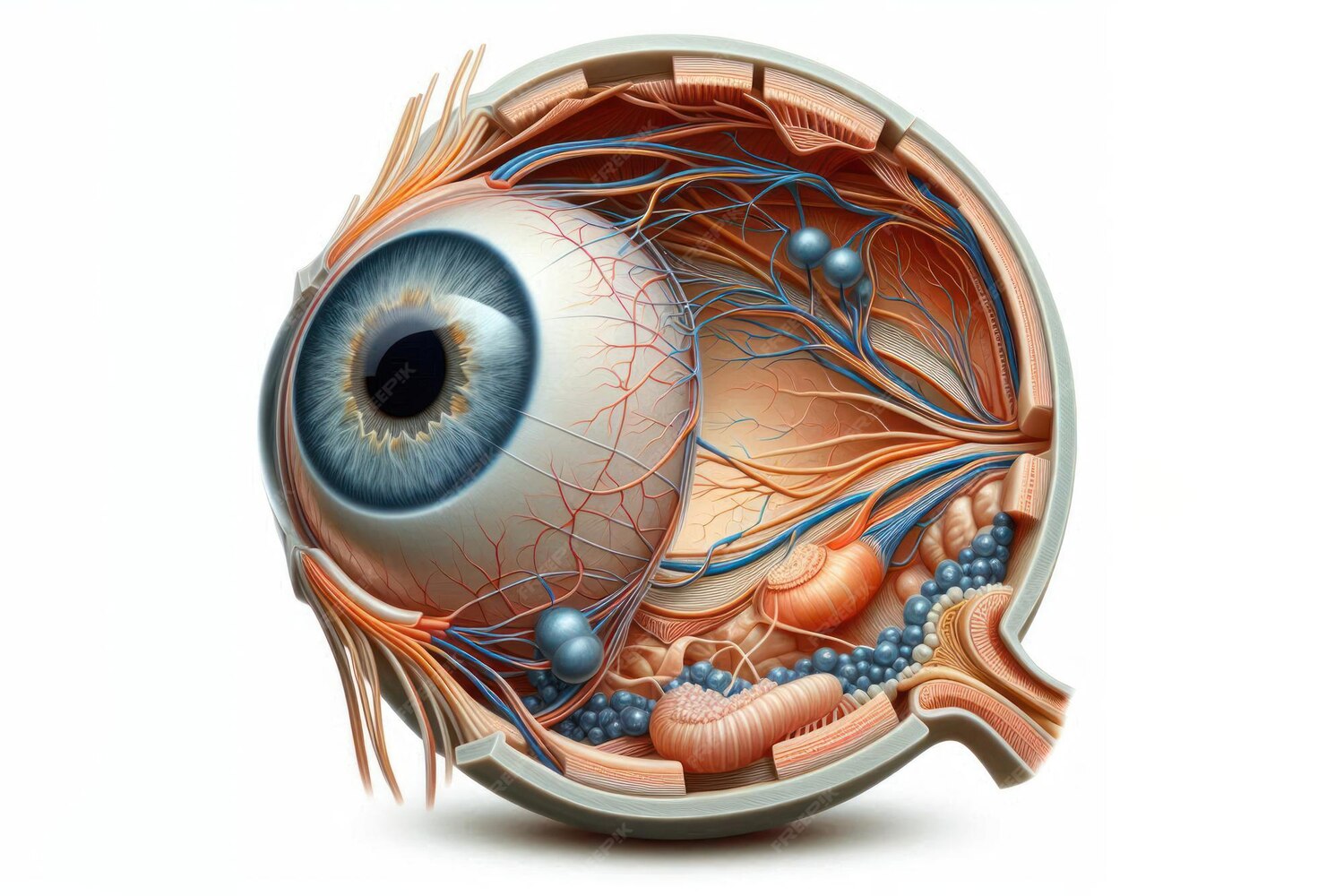
Table of Contents
- 1.Human Eye — Structure of Eye
- 2.The Structure of the Eye: It includes the Main Parts
- 3.Combine Human Eye Structure and Prepare to Function
- 4. Importance of Understanding Eye Structure
- 5. Guidelines for Healthy Eye Anatomy
The human eye remains one of the most wondrous and complex organs in the body. It enables us to see everything from afar, identify colors, and be sensitive to light. The way the human eye is structured makes us realize how vision works and how important proper eye care is.
We will discuss the eye structure, its parts, and how each part works together to provide vision that is clear and accurate in this blog.
Human Eye — Structure of Eye
The human eye structure consists of the layout of different parts working together to focus light and then convert it into neurotransmission to a form understood by the brain. Each part of the eye serves a particular function, and even a small defect in any component may impair vision.
Each structure has a specific function in the act of vision, so that the eye itself — in its structure and in how it works — is related to vision.
The Structure of the Eye: It includes the Main Parts
To make things simple, allow us to take a closer look at some of the main functions of some of the primary parts of the eye:
Cornea: The cornea is the clear front window of the eye. It is the outermost covering (protective layer) that refracts (bends) the light that comes into the eye. For clear vision, the cornea has to be present.
Iris: The iris is the colored part of the eye, the area between the white and the pupil. It responds to light and helps constrict the pupil. It constricts the pupil in well-lit conditions and dilates the pupil in low-light situations.
Pupil The iris has a small opening in the middle, which is the pupil. It lets light through to the eye. The size of your pupil alters naturally based on how much light there is.
Lens: The lens, located behind the iris, focuses light on the retina. It also refracts light and can change its shape to focus for near and distant objects (called accommodation).
Retina : The retinaThe retina is a thin, light-sensitive layer of cells located at the back of the eye and contains rods and cones. Such cells generate electrical signals from light.
Vitreous Humor : This is a gelatinous substance that fills the rest of the aqueous compartment in the eye and lends shape.
Optic Nerve : The optic nerve conveys signals from the retina to the brain, where they are reconstructed into images.
Aqueous Humor : A clear liquid between the cornea and lens that provides nutrition and maintains eye pressure.
Read Also This: What Is Computer Vision Syndrome? A Simple Guide To Keep Your Eyes Healthy
Combine Human Eye Structure and Prepare to Function
All parts and functions of the human eye work together to create vision:
- ● Light enters through the cornea
- ● It is the iris that regulates the amount of light that appears in the pupil
- ● Light is focused on the retina by the lens
- ● Light is transformed into signals by the retina
These signals get sent to the brain via the optic nerve
All of that, it turns out, happens in the blink of an eye, enabling us to see and respond to our environment almost instantaneously.
Importance of Understanding Eye Structure
From an academic point of view, a detailed human eye structure will help you understand eye health. Knowing how each component works makes it easier to identify problems and get help before things become too serious.
For example: That is, the lens or the cornea may be associated with blurred vision Iris or Retina relates to light sensitivity Optic nerve -Vision loss may be associated with the optic nerve owner.
Guidelines for Healthy Eye Anatomy
Here are tips for the healthy and effective functioning of your eye structure:
- ● Get regular eye checkups
- ● Stay balanced and eat nutritious food full of vitamins
- ● Avoid excessive screen time
- ● Light Well Reading or Working with Light
- ● Dust and UV protection for eyes
Frequently Asked Questions (FAQs)
We have the cornea, iris, lens, retina, and optic nerve. All these parts work together to help us see properly.
The main function of the eye is to receive light, focus it, and send signals to the brain so we can see images.
The iris controls the amount of light by adjusting the size of the pupil.
The retina converts light into electrical signals and sends them to the brain to form images.
Eat a healthy diet, reduce screen time, protect your eyes, and get regular eye checkups.
