
Eye Health Foods: Best foods, Worst foods, Antioxidants & Eye-healthy Fruits
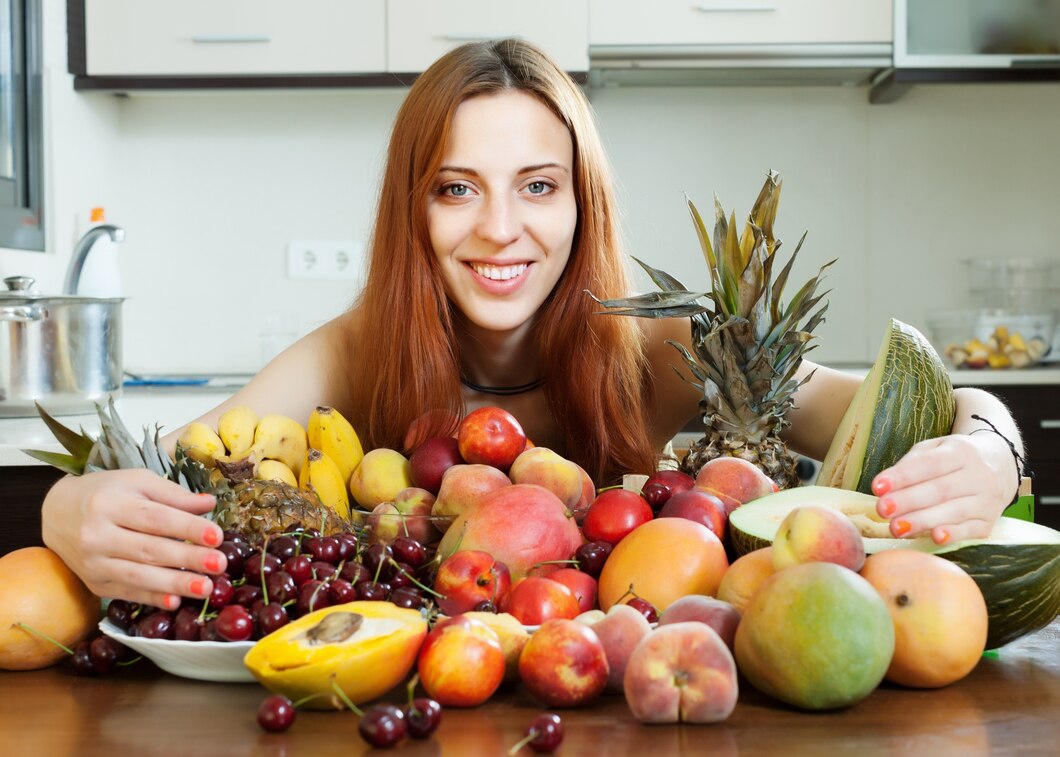
Table of Contents
- 1.Best Foods for Eye Health
- 2. Best Fruits for Eye Health
- 3. Important Antioxidants for Eye Health
- 4. Worst Foods for Eye Health
- 5.Can Food Improve Eyesight?
- 6. Final Takeaway
- 7. Frequently Asked Questions (FAQs)
Normal eyesight is key to daily living, but looking after your eye health goes beyond regular eye tests. Foods rich in nutrients and an overall balanced diet supply all vitamins, minerals, healthy fats as well as antioxidants that support the normal functioning of the eyes.
Get Healthy Eyes: Certain foods have vitamins, minerals and antioxidants such as lutein, zeaxanthin (a protective pigment), vitamin A, vitamin C, vitamin E, zinc and omega-3 fatty acids that are associated with healthy eyes. Simultaneously, minimise high intakes of highly processed foods, added sugar and unhealthy fats.
In this blog, we will be talking about the best food for eye health, fruits for eye health and some of the important antioxidants and foods that can be toxic if consumed in excess.
Best Foods for Eye Health
Leafy Green Vegetables
Dark greens like spinach, kale, collard and mustard greens are some of the best eye foods. Carola: Lutein and zeaxanthin are carotenoids that naturally accumulate in the retina.
Incorporating green leafy vegetables into your diet on a regular basis helps you get these vital eye-supporting nutrients.
Carrots
Carrots are already well known for having an association with eye health, which is based on its high content of beta-carotene. Beta-carotene is converted to vitamin A, which then plays an important role in normal vision and the maintenance of healthy eye tissues.
Still, carrots are no miracle food for bad vision. And the benefit is when they come as part of a balanced diet.
Fatty Fish
DHA is found in salmon, sardines and mackerel omega-3 fatty acids. Structural component DHA is an important building block of the retina.
Including oily fish in your diet if you are one of those that eats fish is a good way to get omega-3 fatty acids,
Eggs
Egg yolks are a good source of lutein and zeaxanthin along with various other nutrients. These carotenoids are connected to the macula (the area of the retina needed for detailed vision).
This means that eggs can be a quick and easy source of whole-food quality nutrients in the diet.
Nuts and Seeds
Almonds, walnuts, sunflower seeds, chia and flax seeds contain vitamin E and healthy fats.
A handful of nuts or seeds makes a nutritious and enjoyable snack, as well as adds diversity to your diet.
Read Also This: Natural Treatment for Dry Eyes Without Side EffectsBest Fruits for Eye Health
They offer vitamins, minerals, and fiber as well as plant-based compounds known to enhance ones health.
Amla
Amla (Indian gooseberry) is vitamin C and antioxidant-rich by default. It can be part of a diverse diet.
Oranges
Vitamin C, for example, is an antioxidant found in oranges and other citrus fruits that promotes healthy tissues and helps your body heal against oxidative stress.
Guava
Another fruit, guava, is also rich in vitamin C and known to most of us. It also provides dietary fiber and other nutrients.
Papaya
The beta-carotene, vitamin c and a few other antioxidant compounds in papaya makes it a healthy food for your balanced diet.
Berries
In fact, strawberries, blueberries and blackberries provide some plant compounds and antioxidants. Consuming diverse herbs and fruits allows you to take in extra vitamins.
Important Antioxidants for Eye Health
This is why it is very important to consume antioxidants, since oxidative stress can have an effect on cells and tissues. There are a few nutrients that play an important role in our eye health like:
Lutein: Present in leafy green veggies, egg yolks and some colorful vegetables.
Zeaxanthin: Found in leafy greens, peppers, corn and eggs.
Vitamin C: From amla, citrus fruits, guava, berries and peepers.
Vitamin E: It is found in nuts, seeds and some vegetable oils.
Beta-carotene: Present in carrots, sweet potatoes, pumpkin and other orange colored vegetables.
Zinc: It is present in eggs, shellfish, dairy products, meat, nuts and seeds and contributes to normal eye functioning.
Worst Foods for Eye Health
No food directly harms healthy eyes. But are large quantities of nutritionally poor and highly processed foods on a regular basis detrimental to overall health?
Foods High in Added Sugar
Take soft drinks, sweets, packaged desserts or other foods with high added sugar sparingly. Too much sugar worsens metabolism, which can lead to diabetes and harm your eyes.
Highly Processed Foods
Eating packaged snacks, refined carbohydrates and heavy processed meals most of the time makes it a chore to exercise moderation in our daily meal plan. Fruit and vegetables are almost always better choices, even if they are fresh as the least processed foods.
Deep-Fried Foods
Eating hyper-palatable deep-fried food in large amounts regularly adds to your daily caloric and unhealthy fat intake. Use less in your cooking and choose healthier methods, such as steaming or baking more.
Excessively Salty Foods
Limit processed snacks and food items that are high in sodium. An Appropriate Diet For Well-Maintained Cardiovascular as Well As Metabolic Health
Can Food Improve Eyesight?
A balanced diet is able to supply the body with nutrients necessary for normal eye function, and it may promote the proper functioning of our eyes in the distance. But food generally cannot resolve refractive errors like myopia, hypermetropia or astigmatism.
Consult an eye specialist in such cases of vague vision, chronic redness or eyeache, flashes, new floaters, or sudden vision changes.
Final Takeaway
An overall healthy lifestyle is a good start to taking care of your eyes. Take in nutrients that include leafy greens, extensive pigments like broccoli and paprika, fruit, eggs, nuts and seeds, food producers rich in omega-3s and crazy minimal sugar alongside far-reaching handled nourishment solutions and blended seared dinners.
Nutrition is just one side of the eye care coin. Regular eye exams, UV protection and timely attention to any problems are also essential.
Consult Dr. Vikas Veerwal, Eye Specialist in Ghaziabad, for a proper eye checkup and expert advice on your eye health if you have any issues with vision or want to get professional guidance for it.
Frequently Asked Questions (FAQs)
The best eye health-promoting nutrients are leafy greens, carrots, eggs, fatty fish, nuts and seeds and all the colorful vegetables.
Fruits like amla, oranges, guava, papaya and berries consist of vitamins and antioxidants that help maintain the overall health of the eyes.
Eye nutrients generally are lutein, zeaxanthin, vitamin C, vitamin E and beta-carotene; all of these are rightfully linked to eye health.
Carrots: Beta-carotene prevents and treats morbidities of the immune system and improves normal vision (vitamin A). Normally, they do not correct refractive errors.
Few sugary foods, highly processed foods, deep-fried foods and excessively salty packaged foods.
