
Post Operative Care After Cataract Surgery – A Simple Guide for Patients
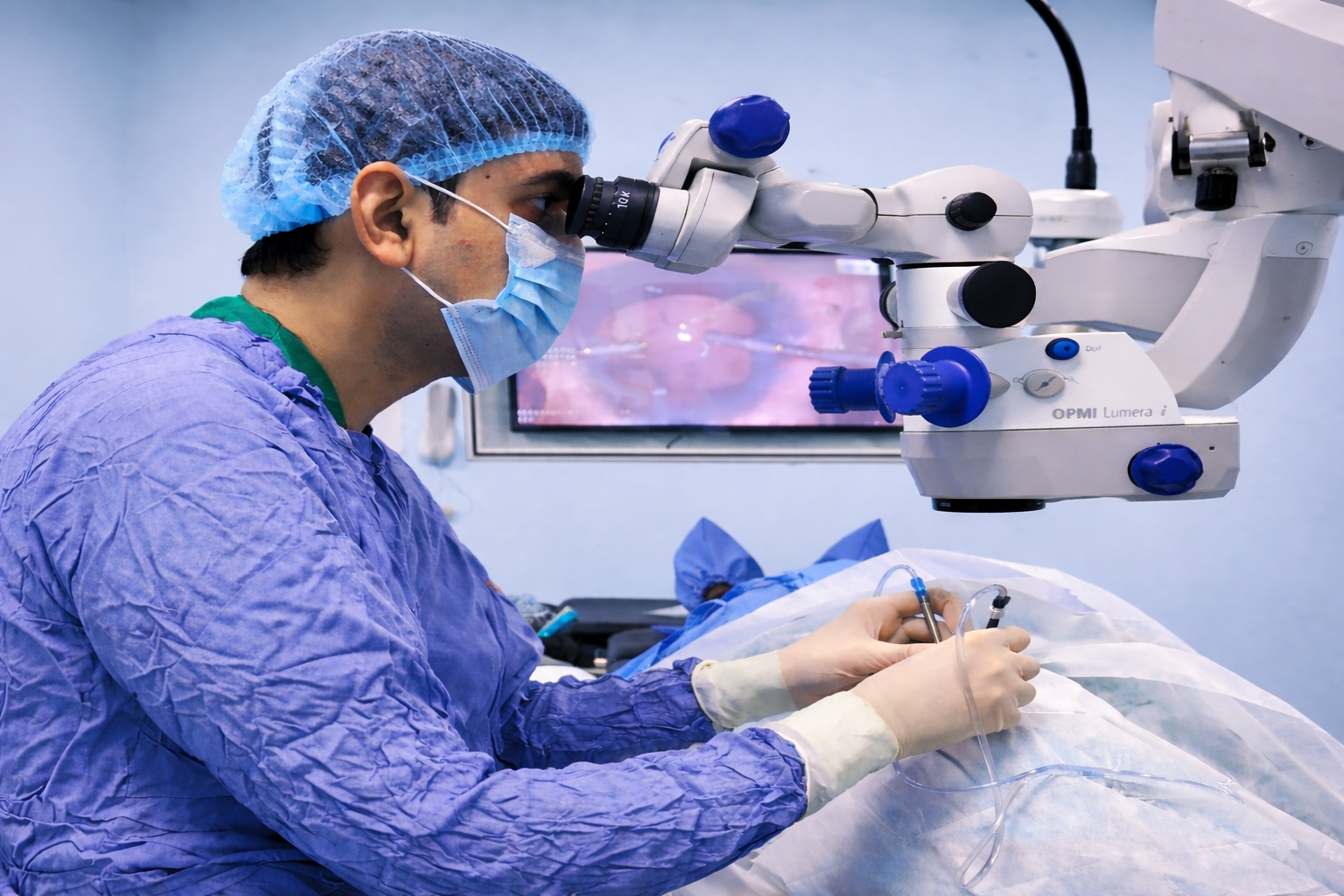
Patients have so many doubts about what precautions to take after cataract surgery. Techniques have changed, surgery has become revolutionized, but misconceptions regarding the care after surgery are widespread. I am here to clear those doubts for you. Cataract surgery is one of the most successful and commonly performed eye surgeries in the world. With modern techniques like phacoemulsification and femto laser cataract surgery, the procedure itself is quick, painless, and highly precise. However,post operative care after cataract surgery plays a crucial role in ensuring clear vision, fast recovery, and long-term success. As a cataract surgeon performing more than 1000 cataract surgeries every year, I often tell my patients thatthe surgery lasts only 10–15 minutes, but good post-operative care protects your vision for a lifetime. This guide explains everything you need to know in simple language.
Why Post Operative Care After Cataract Surgery Is Important
After cataract surgery, the eye is healing internally even though you may feel comfortable within a few hours. Proper post operative care after cataract surgery helps to:
- • Prevent infection and inflammation
- • Ensure proper healing of the cornea and lens implant
- • Achieve the best possible vision outcome
- • Reduce complications like redness, pain, or blurred vision
Patients who follow post-surgery instructions carefully usually recover faster and achieve excellent vision within days. If you want to read about the common misconceptions people have about cataract surgery, go through our blog here Busting the Myths About Cataract Surgery – Know the Facts Before You Decide!
What to Expect Immediately After Cataract Surgery
On the day of surgery:
- • Vision may be slightly blurred for a few hours
- • Mild irritation, watering, or foreign body sensation is common
- •There is usually no pain
- • You can walk, eat, and go home the same day
Most patients notice improvement in vision within 6–12 hours, and many achieve clear vision by the next day.
Eye Drops After Cataract Surgery – How and Why to Use Them
One of the most important aspects of post operative care after cataract surgery is regular use of prescribed eye drops.
Typically, you will be prescribed:
- • Antibiotic eye drops– to prevent infection
- • Steroid eye drops – to reduce inflammation
- • Lubricating eye drops – to reduce dryness and irritation
Important tips:
- • Wash your hands before using drops
- • Do not touch the tip of the bottle to your eye
- • Do not touch the tip of the bottle to your eye
- • Do not stop drops suddenly without consulting your doctor
- • Keep a gap of 5-7 minutes between 2 types of drops
Eye drops are usually continued for 3–4 weeks in a tapering schedule.
Do’s and Don’ts After Cataract Surgery
You need to take following precautions after your cataract surgery:
1. You will have slight irritation and watering for few hours after surgery which will get settled with the eye drops given after the procedure.
2. Wear your protective glasses at all times- inside and outside to prevent any dust and water going into the eye. This is to be worn for 7–10 days.
3. Apply eye shield at night over the operated eye for 3 days- so that you don’t accidently rub your eyes at night.
4. Use eye drops and all medications as per the discharge instructions of your doctor. You will need to put 3–4 drops initially and the frequency will keep on reducing every week. Usual drops are antibiotics for one week, steroids for one month, lubricants for 3–4 weeks and NSAIDs (to prevent retina swelling) for 3 weeks.
5. DO NOT RUB YOUR EYES: At least for 7–10 days, absolutely avoid rubbing your eyes. You can open up the cataract incisions (small cuts in your cornea) by eye rubbing.
6. DO NOT LET ANY WATER GO INTO THE EYE: For 7 days, no head bath. Only neck down bath to be taken. You can clean your face and head with a wet wipe/towel. This is to prevent any bacteria going into the eye and causing an infection.
7. NO SPLASHING OF WATER, NO SWIMMING, NO HEAVY EXERCISE, NO GYM, NO HAIR DYE: At least for 2 weeks, none of these to be done.
8. You can Watch TV, use mobile phone, use laptop from the very next day. Just don’t overexert yourself, take frequent breaks and use your medicines.
9. COOKING: You can start kitchen work and routine cooking from the very next day (using your protective glasses). Only avoid cooking where too much smoke is there.
10. No restrictions in diet: Eat anything you want. You can have chapati/breads, rice, vegetables, fruits from the same day of surgery. No need to take soft foods only. Check your diet if you are a diabetic and hypertensive.
11. No restriction of going in Sunlight or sitting with lights on. We no longer give dilating drops post surgery, so there is no issue with sitting in sunlight.
12. Avoid sleeping on the side on which your eye has been operated - for one day in normal lens, for 3 days for toric lens. You can sleep straight or turn to the other side. This is to avoid inadvertent pressure on your eye and to not let the lens move from its position.
13. Review with your doctor urgently if there is excess pain, redness and sudden blurring of vision.
14. Follow up with the doctor as per your schedule- usually 1st day post surgery, then after 1 week and then at 3 weeks.
15. Laugh, go for a walk, talk to your friends and family and relax: Gone are the days when patient had to be on rest for one month after cataract surgery with dimmed light. Technology has made patient recovery smooth and fast. So, proceed with surgery with a relaxed mind.
These are the precautions that most surgeons follow after cataract surgery. There may be some variations on case-to-case basis or some surgeons may follow a slightly different protocol. It is always recommended to discuss it with your operating doctor. But more or less, these are the guidelines that maximum doctors follow post cataract surgery in today’s times.
Warning Signs After Cataract Surgery – When to Contact Your Doctor
While cataract surgery is extremely safe, contact your eye doctor immediately if you notice:
- • Increasing pain
- • Sudden drop in vision
- • Excessive redness
- • Thick discharge
- • Severe light sensitivity
Early treatment prevents serious complications.
Why Choose Dr Vikas Veerwal for Cataract Surgery in Vaishali, Ghaziabad and Noida
Patients searching for the best cataract surgeon in Vaishali, Ghaziabad often value safety, experience, and transparency.
At our eye centre:
- • Advanced cataract techniques are used
- • Premium and standard IOL options are discussed in detail
- • NABH-level safety protocols are followed
- • Each patient receives personalized counselling and follow-up care
- • A surgeon with experience of more than 10000 cataract surgeries with a near 100% satisfaction rate and near 0% complication rate
The goal is not just surgery, but long-term visual satisfaction.
If you want to know in detail, how to decide which eye surgeon to choose for your cataract surgery, read our blog here Selecting the Right Eye Surgeon for Your Cataract Surgery – Best Eye Doctor in Delhi-NCR, Ghaziabad & Noida
Final Words – Take Care of Your Vision
Post operative care after cataract surgery is simple, but extremely important. By following the right precautions, using medicines correctly, and attending follow-ups, patients can enjoy clear and comfortable vision for life.
Schedule a smooth, painless cataract surgery and guided recovery with Dr Vikas Veerwal – trusted by patients across Vaishali, Ghaziabad and Delhi-NCR.
Frequently Asked Questions (FAQ)
Most patients recover within 1–2 days, with full stabilization by 2-3 weeks. Vision is clear within 24 hours in most patients, may occasionally take 2-3 days.
No. Modern cataract surgery is painless and done with anesthetic eye drops (numbing eye drops). No injection is needed and no patch is required
Yes, you can use mobile phones and watch TV from the very next day. Breaks at short intervals would be advisable though.
When can I take a bath after cataract surgery?
This depends on the type of lens implanted. Many patients do not need glasses for daily activities. Multifocal lenses will often give complete independence from glasses while with monofocal lenses, you will need glasses for near work.
Usually for 3–4 weeks, as advised by your surgeon. With time, the frequency and number of drops will reduce.
No. Cataract does not come back. Some patients may develop a posterior capsule opacity later, which is easily treated with laser In OPD settings. This membrane behind IOL may develop in up to 25% patients usually few years after the surgery.
Yes, there is no restriction on travelling after cataract surgery, just continue wearing your protective glasses
Avoid eye rubbing, swimming, heavy exercise, and eye makeup for 2 weeks.
If required, glasses are prescribed after about 2-3 weeks post surgery.
